
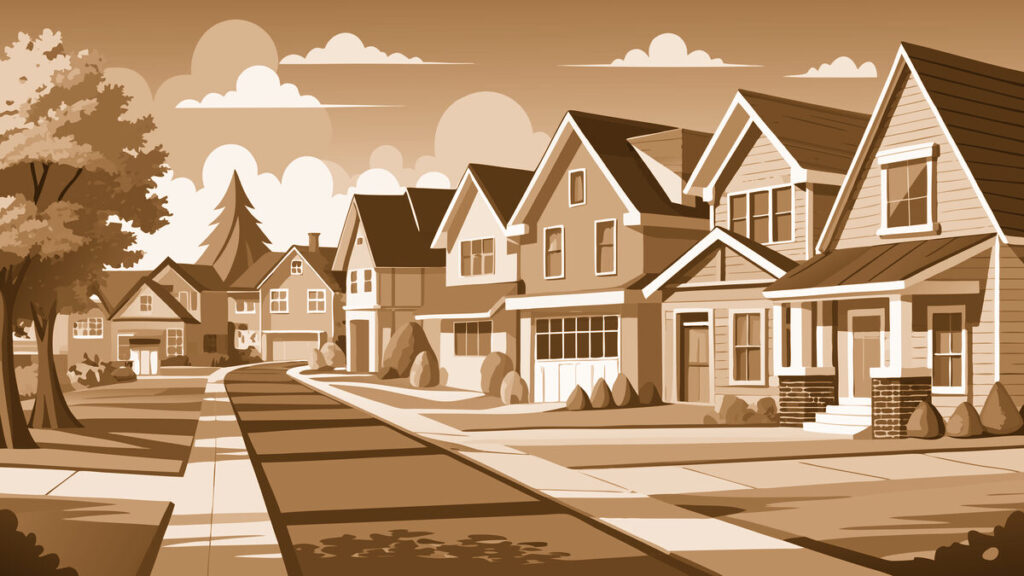
Oklahoma City is a tapestry woven from diverse neighborhoods, each with its own character and story. Among them, The Grove stands out as a hidden gem—rich in history, marked by resilience, and blessed with a community spirit that endures from generation to generation. For both newcomers and those who’ve called it home for decades, The Grove neighborhood is a living testament to Oklahoma City’s evolving legacy.
The Origins of The Grove
The Grove’s story begins in the early 20th century, during a period when Oklahoma City was expanding rapidly in every direction. Located in the city’s inner northwest, The Grove overlays what was once prairie land—spaces dotted with native post oaks and blackjack trees. As the city sought new areas to accommodate its burgeoning population, developers saw promise in this lush, tree-shaded district.
The neighborhood’s name, “The Grove,” harkens back to these natural roots. Oral history and early maps suggest settlers and developers were drawn to the dense clusters of trees that set this tract apart from the surrounding open plains. By planning homes around the existing stands of oaks and elms, they fostered a woodland-like refuge in the heart of an ambitious city.
Growth, Change, and Community
By the 1920s and ‘30s, The Grove was taking shape as a residential neighborhood, with craftsman bungalows and brick cottages rising along what are now NW 23rd Street, NW 24th Street, and Shartel Avenue. The post–World War II housing boom further accelerated growth, drawing families eager for the peaceful promise that tree-lined streets and sturdy homes provided.
Key streets like Villa Avenue and Douglas Boulevard soon became the backbone of the neighborhood, home to long-standing churches, mom-and-pop shops, and friendly local diners. Through the decades, The Grove grew into a hub for working and middle-class families—a blend of new Americans and longtime Oklahomans, all united by shared space and values.
Historical Milestones
The Grove’s trajectory mirrors important moments in Oklahoma City’s broader story:
- 1928: The founding of Grove Elementary School, serving as not just an educational institution but a community gathering point—its halls echoing with PTA meetings, holiday plays, and lively school carnivals.
- 1935: The portioning and paving of NW 23rd Street, which brought trolleys, new businesses, and easier access to downtown, spurring even more residential development.
- 1940s–1950s: The postwar era saw the rise of local institutions such as The Grove Baptist Church and the opening of small groceries and delis along Penn Avenue—some run by immigrant families, contributing to the neighborhood’s distinctive flavor.
- 1976: The creation of Grove Park, a green space that quickly became a focal point for little league teams, family picnics, and annual community celebrations.
Notable Landmarks and Buildings
While The Grove is primarily residential, it harbors a trove of historic sites that embody its enduring charm:
- Grove Elementary School: Now over 90 years old, its original red-brick facade faces NW 24th Street and is considered a local landmark by generations of alumni. Even after expansions and renovations, the school’s historic spirit remains undimmed.
- The Grove Baptist Church: A hub for faith and fellowship, this church near NW 23rd and Douglas Boulevard has stood as both a place of worship and an anchor in moments of challenge—hosting everything from tornado recovery efforts to food drives.
- Mid-century bungalows and cottages: Many homes in The Grove remain true to their original designs, with wide porches and careful craftsman details. Walking down Villa Avenue, one can see the subtle evolution of architectural styles spanning several decades.
- Grove Park: Tucked between Shartel Avenue and Villa, this park is beloved for its mature shade trees, open play spaces, and the cheerful sounds of neighborhood gatherings.
The Grove Today: Preservation and Progress
The story of The Grove is one of respectful evolution. In recent years, the neighborhood has welcomed a new wave of families and young professionals, drawn by both affordability and the tight-knit sense of place that permeates each street. Local residents take pride in maintaining the classic homes and tree canopy, organizing neighborhood watches and beautification projects.
New businesses and eateries now dot NW 23rd and the periphery of the neighborhood, providing modern energy while honoring the area’s heritage. The community association regularly coordinates block parties, clean-up days, and holiday festivals—ensuring that, though The Grove continues to change, its warmth and unity never fade.
What Makes The Grove Special
As any longtime resident will tell you, The Grove’s greatest asset is its people. Here you’ll find neighbors who look out for one another, children playing together at Grove Park, and families—old and new—who take time to preserve the beauty and history of their surroundings.
The trees that gave The Grove its name still stand, their shade a gentle reminder of the many stories rooted here. Whether you’re drawn by vintage homes, friendly faces, or the quiet strength of Oklahoma City’s heritage, The Grove promises a welcome as lasting as its mighty oaks.